
5th Edition of International Neurology Conference 2026
Speakers - INC2026
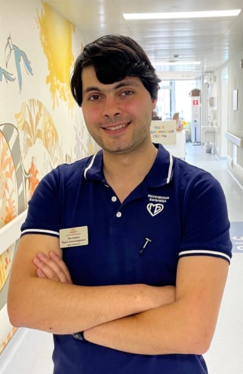
Yuriy Khachaturov
Yuriy Khachaturov
- Designation: Morozov Children’s City Clinical Hospital of Moscow Healthcare Department
- Country: Russia
- Title: Ischemic Stroke in Children: Prehospital and Early Diagnosis
Abstract
Pre-hospital diagnosis of stroke in children is a relevant problem of pediatric neurology worldwide. To recognize a stroke in a timely manner and hospitalize a child in a specialized hospital during the therapeutic window for the earliest possible launch of therapy is an important task in the work of emergency medical care. Difficulties in the prehospital diagnosis of stroke in children lead to delays in hospitalization, improper routing of the patient, and untimely initiation of specific therapy. The complexity of the differential diagnosis of stroke and its mimics in children at the prehospital stage is associated with non-specificity and diffuseness of the symptoms of childhood stroke. The research analyzed 813 cases of hospitalization of children by the ambulance service in Moscow with suspected cerebrovascular pathology from October 2018 to December 2020. Patients were grouped by age, gender, directing diagnosis, level of consciousness upon admission on the Glasgow Coma Scale, neuroimaging results, and a final diagnosis of the hospital. The symptoms of patients with suspected cerebrovascular pathology were analyzed. When analyzing the final diagnoses and symptoms during hospitalization, the main mimics of strokes, the distribution of the frequency of symptoms were determined, the symptoms were compared for arterial ischemic stroke and stroke mimics. Based on the results, a new screening scale for the prehospital diagnosis of stroke in children is put forward (PPS). The second stage of the study analyzed the scale's effectiveness and statistically calculated the data obtained. Three groups of patients were formed: a "stroke" group, a "migraine" group, and a control group. The analysis included 248 cases assessed using the PPS scale by emergency medical personnel and hospital neurologists from December 2020 to May 2022. The results demonstrated the effectiveness of the PPS scale for diagnosing ischemic stroke in children: sensitivity of 97%, specificity of 95%, and accuracy of 96%.
Welcome to the 5th Edition of the International Neurology Conference (INC 2026). Join us in advancing the frontiers of neurological science at this globally renowned event dedica ...
Read More>>
Organizer
