
5th Edition of International Neurology Conference 2026
Speakers - INC2026
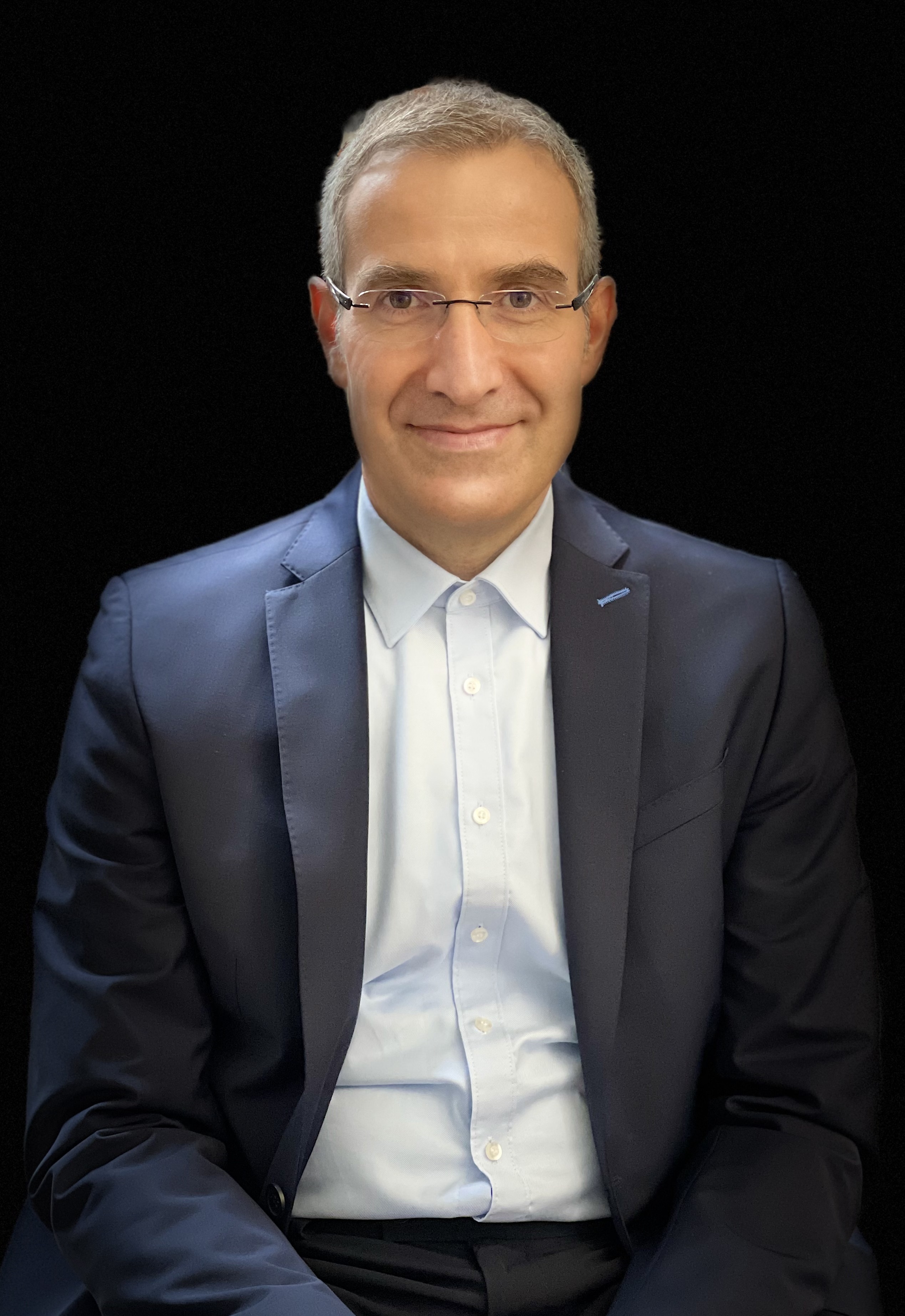
Olivier A. Coubard
Olivier A. Coubard
- Designation: The Neuropsychological Laboratory, CNS-Fed
- Country: France
- Title: Neurofunctional Disorders (NFDs): Distinct Entities or a Single Underlying Disorder?
Abstract
In medicine, functional disorders (FDs) refer to conditions that cannot be explained by identifiable organic or structural causes, such as disease or physical injury. Within neuropsychiatry, now largely divided into neurology and psychiatry, neurological functional disorders (NFDs) are defined as neurological conditions whose manifestations are not causally related to structural brain damage, whether due to hemorrhagic or ischemic stroke, neurodegenerative, inflammatory, or infectious diseases, traumatic brain injury, or brain tumors. The complexity of NFDs is further increased by the variability and lability of their symptoms. They account for a substantial proportion of patients seen in general practice, for whom effective solutions dramatically remain lacking. In this context, neuropsychology, at the edges of neurology, psychiatry, and psychology, may play a pivotal role in advancing the understanding and treatment of NFDs. In this talk, I propose that NFDs – currently described under heterogeneous terminologies in international classifications such as the ICD and DSM – may be underpinned by a common underlying mechanism. Based on 28 years of clinical observation, assessment, and rehabilitation of patients with NFDs, for whom conventional neurological and psychiatric approaches have hitherto failed, I will present preliminary data on phenomarkers of NFDs, as well as targeted training approaches aimed at achieving efficient, durable, and potentially definitive therapeutic outcomes. Finally, I will outline a theoretical framework to account for NFDs, which could subsequently be tested using brain imaging in humans and neurophysiological approaches in non-human primates.
Welcome to the 5th Edition of the International Neurology Conference (INC 2026). Join us in advancing the frontiers of neurological science at this globally renowned event dedica ...
Read More>>
Organizer
